Supplier matching
folding carton packaging market
This page covers how we turn a folding carton packaging market request into one comparable factory brief. Folding Carton Food Packaging Sourcing is an independent sourcing partner. We do not run a press, own dies, or promise a printed unit cost before construction and quantity are written. Ahrefs US matching-term observations dated 2026-09-20 for this cluster show informational and commercial labels; they are search labels, not ranking claims.
Request Factory Quotes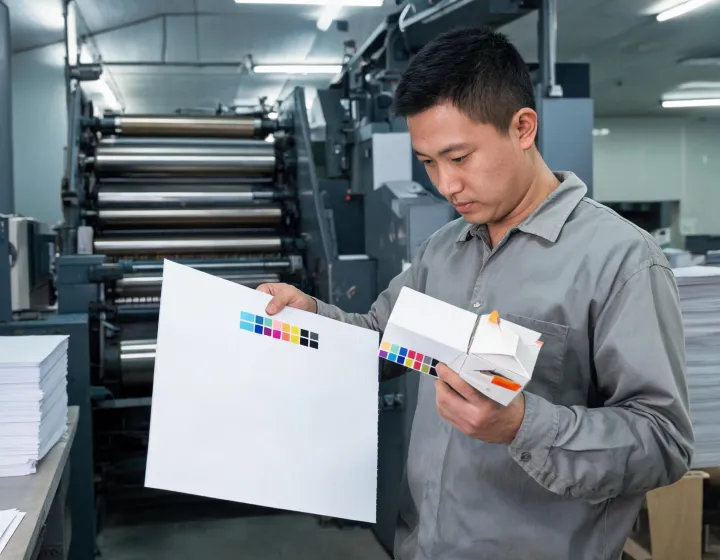
How a carton request is made comparable
Packhelp quote and wholesale pages, observed 2026-09-15, show a brief-first path: the buyer writes format, quantity and artwork before a coordinator returns options. That is a process reference, not this site's factory network, plate shop or lead-time clock. ISO ICS 55.020 supplies unit vocabulary only.
-
1. Lock the carton object
Confirm style, size in millimetres, board grade and paperboard caliper. A folding carton packaging market line that only says food box cannot be sent to more than one factory without silent substitutions.
-
2. Split print from converting
Ask each factory to quote converting, then list plates, extra colors, aqueous coating and die storage as exclusions. Digital print may drop plate cost on short SKUs; it is not automatically cheaper once color matching and run length are named.
-
3. Align quantity and destination
Write pieces per artwork, carton pack-out and the US ship-to state. Freight, duties and document sets stay outside the piece price so two replies can be subtracted on the same basis.
-
4. Hold sample and file gates
A struck sample or ink drawdown on the named board comes before a production release. Food-contact or recycled claims need the board and ink files for that lot, not a homepage badge.
Costs that stay outside the piece price
Buyers often ask for one all-in number. That hides the items that actually move between factories. Keep these on their own rows so a later artwork change does not look like a carton-price increase:
- New or revised offset or flexographic printing plates and any cylinder engraving
- Die-line redraws when the tuck, auto-bottom or window patch changes
- Freight to the named destination and any pallet or shipper upgrade
- Product documents such as food-contact statements or chain-of-custody files, if required for that fill
We then collect factory replies against that same list. Preference for high-end, mid-range or budget converting is a buyer choice about registration, board grade and document depth. It is not a rating we have verified. Review inquiry options before you send the brief.
Digital print versus offset or flexo
High SKU counts and frequent artwork changes can reduce plate cost with digital print. Stable long runs often keep unit cost and spot-color control better in offset or flexographic printing. Write run length and color-critical graphics before you treat either process as the default. A 4-color offset carton plus aqueous coating is a common food-carton brief; it is still not interchangeable with a one-color flexo job on CCNB.
Prepare one brief for factory replies
Include construction, print status, quantity unit and destination so replies stay comparable.
Request Factory Quotes